From Contract to Keys: How the Modular Home Process Works
Understanding the modular timeline removes uncertainty and builds confidence. Here is what actually happens between signing a contract and moving into your new home.
share
Date Published
2/24/2026
Illustration
Financing Development Workforce Homebuilding Ownership

One of the biggest questions buyers ask about modular construction is simple: “How does it actually work?”
Modular homes move faster than traditional builds, but faster does not mean rushed. The process is structured, coordinated, and intentional. When you understand the phases clearly, it becomes obvious why modular construction has become such a practical option in local housing markets.
Here is what really happens from contract to move-in.
1. Planning, Design, and Pre-Construction
Every successful modular build starts long before anything enters a factory. This stage includes lot evaluation, zoning confirmation, foundation planning, floor plan selection, and permitting. This step matters more than people realize because infill lots often come with setbacks, slope considerations, tree ordinances, or historic overlays.
This is where experience makes a difference. A poorly evaluated lot can delay even the most efficient modular project. A well-planned one keeps the entire process smooth. Once plans are finalized and permits are approved, the build can move forward with clarity.
2. Factory Construction
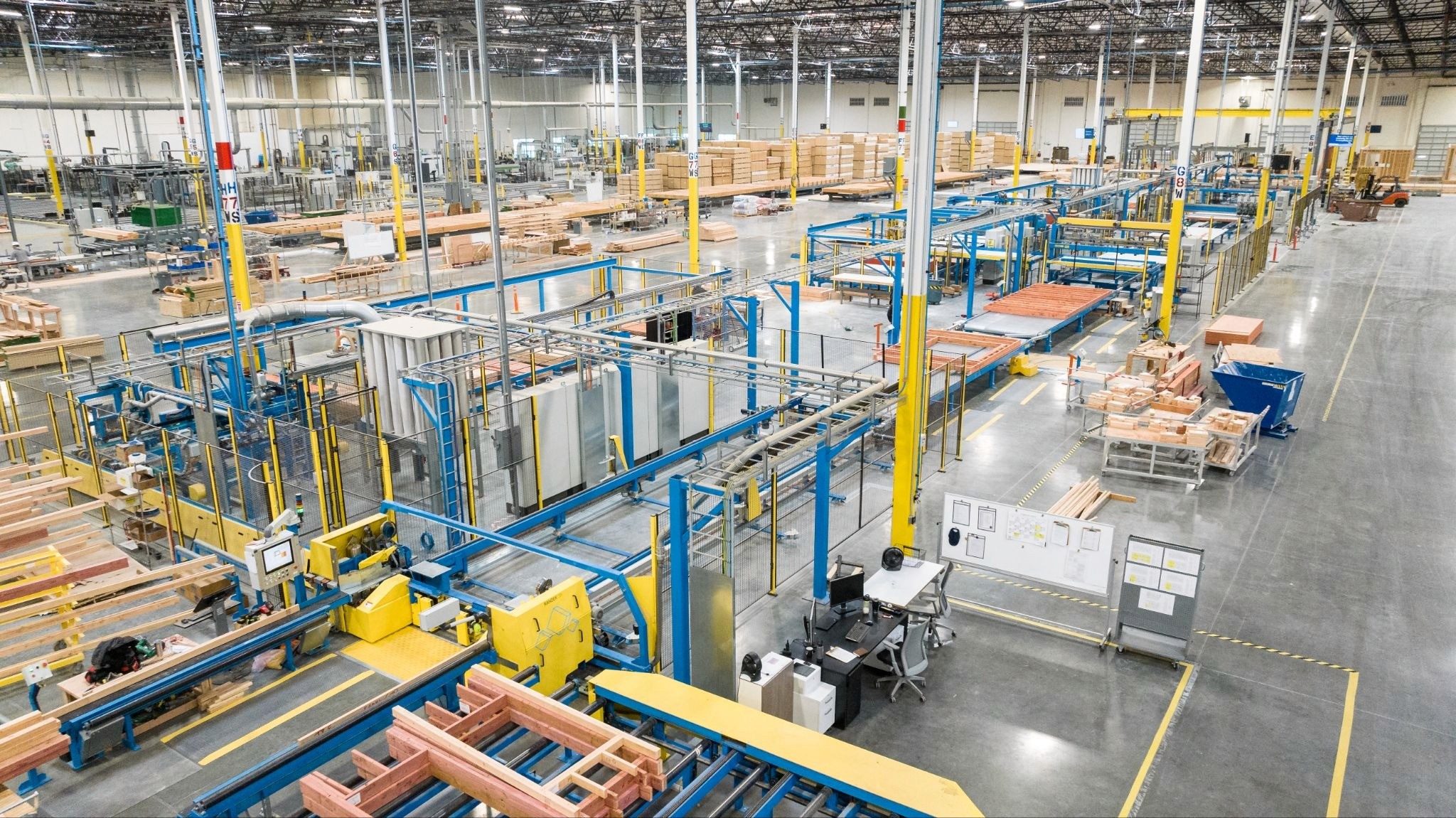
Once approved, your home is built inside a controlled factory environment. This is the phase that sets modular construction apart from traditional building.
Because the work happens indoors, weather delays are eliminated. Materials are protected. Quality control is consistent. Multiple trades work in sequence without the scheduling gaps that often slow down site-built homes. Electrical, plumbing, insulation, drywall, and finishes are completed in stages within the factory.
This controlled process is one of the main reasons modular timelines are more predictable. Buyers are not waiting on rain to clear or subcontractors to reshuffle schedules.
3. Site Preparation and Foundation
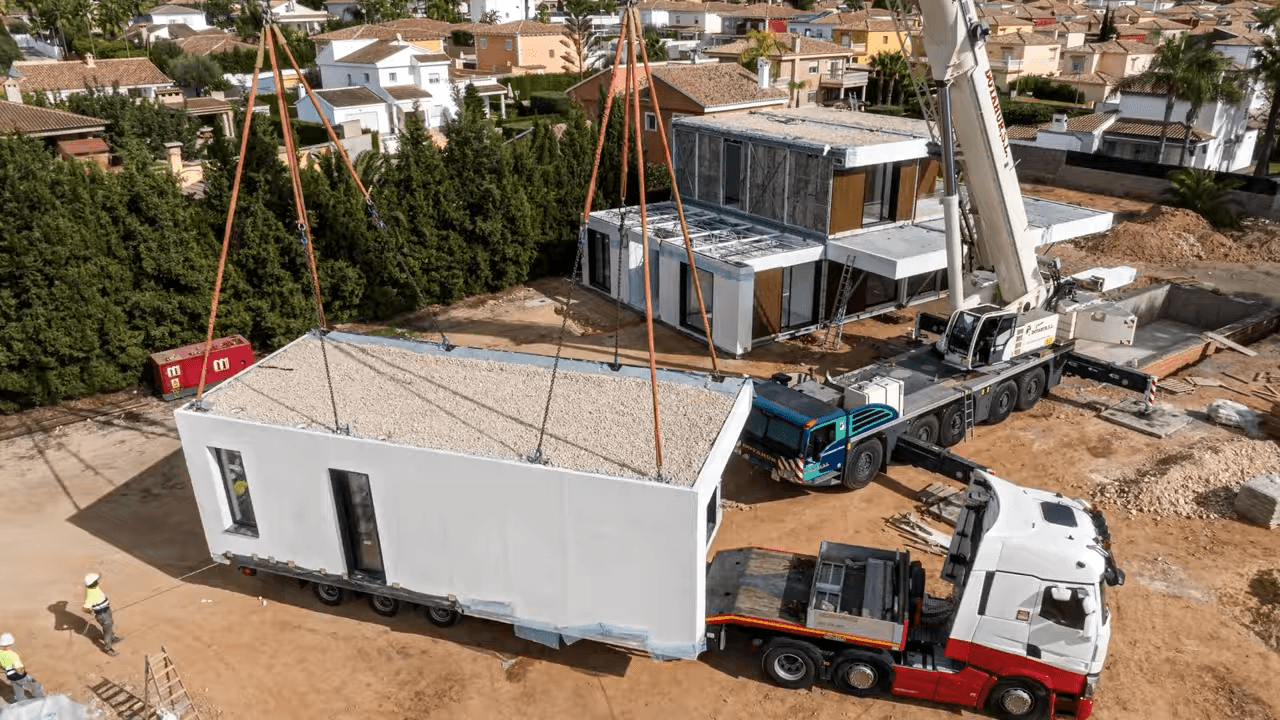
While your home is being constructed in the factory, site work happens simultaneously. This includes grading, foundation installation, utility connections, and any required structural preparation.
In traditional construction, these phases happen sequentially. With modular, they happen in parallel. That overlap significantly shortens the overall timeline.
When the modules arrive on site, they are set onto the permanent foundation using a crane. From that point forward, the home is treated as real property, just like a site-built house.
4. Set, Finish, and Final Inspection
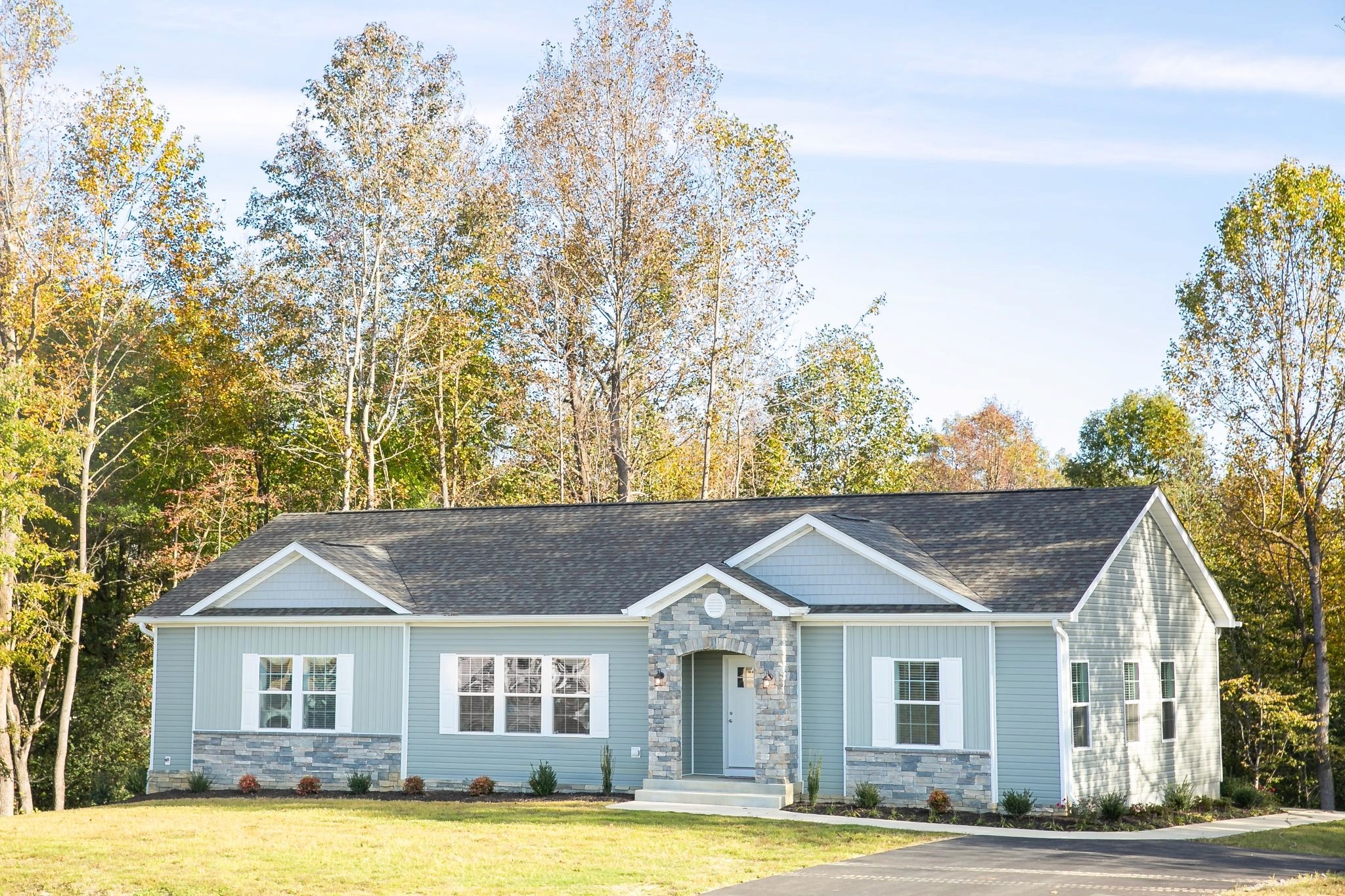
After the modules are placed, crews complete what is known as “button-up” work. This includes sealing connection points, finishing exterior siding transitions, completing interior trim work, and ensuring all systems are fully integrated.
Final inspections are conducted according to local building codes. Because modular homes are built to the same Georgia building standards as traditional homes, the inspection process aligns with what lenders and municipalities expect.
From there, the path to closing is straightforward.
What This Means for Customers
The modular process is not just about speed. When timelines are reliable and construction happens in a structured environment, buyers gain predictability in budgeting, financing, and move planning.
Our goal is not just to deliver a finished home. It is to guide buyers through each phase with clarity so they understand what is happening and why.
In a market like Atlanta, where delays and cost overruns have become common, that knowledge creates real confidence.
If you are considering building, understanding the timeline is the first step toward making an informed decision.