How Modular Construction Handles Customization Differently Than Most Buyers Expect
Many buyers assume modular means limited. The reality is more flexible than most people realize, and understanding how it works changes how you approach the process.
share
Date Published
4.24.26
Illustration
prefab homes home building modular customization new construction home options
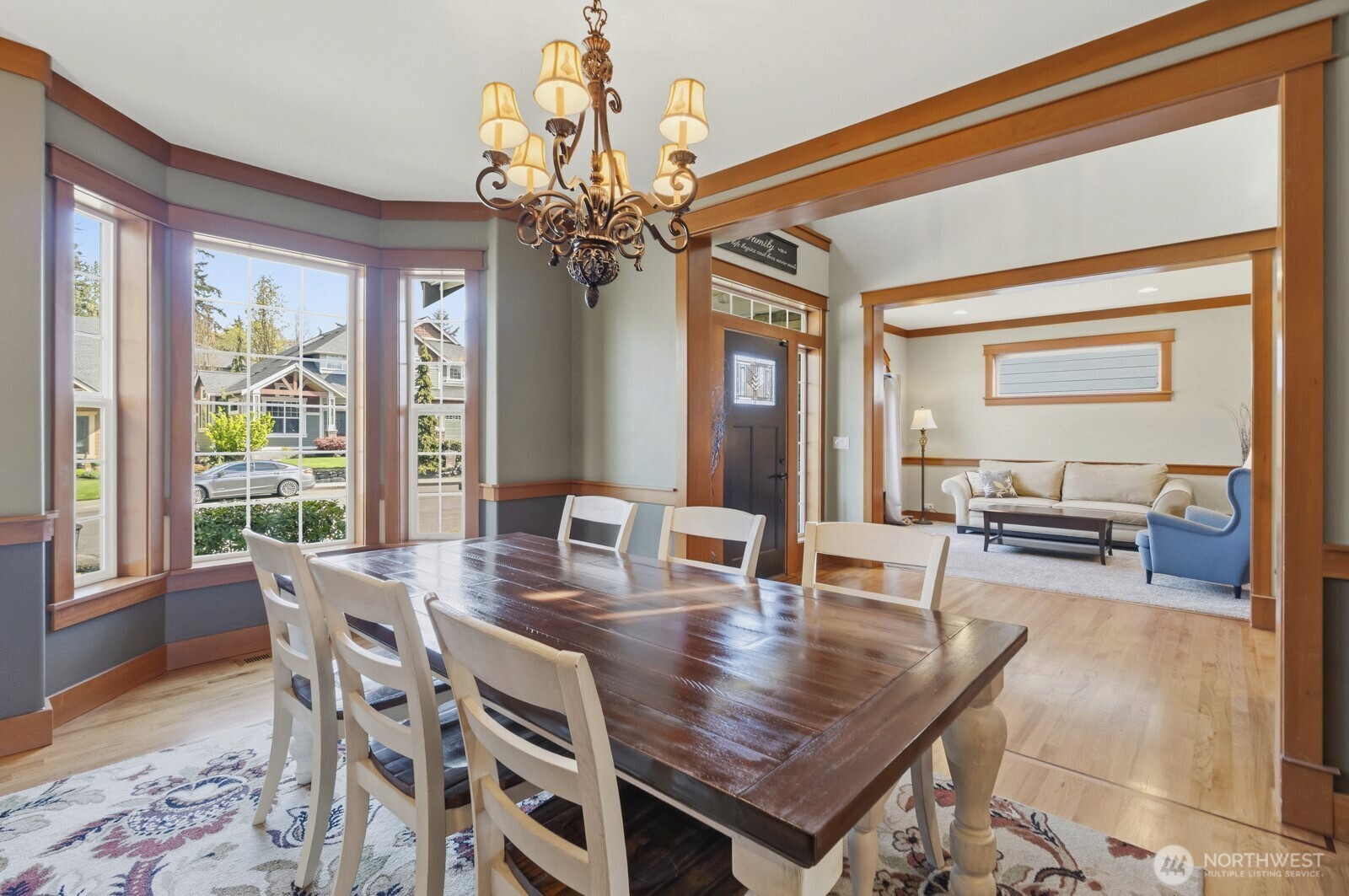
One of the most common assumptions buyers bring into conversations about modular homes is that customization is limited. That assumption reflects how modular construction worked in earlier decades, not how it works today.
What Can Actually Be Changed
Modern modular construction starts with design, not selection. Buyers work from base configurations that can be adjusted across a wide range of variables: room dimensions, ceiling heights, window placement, exterior materials, interior finishes, and layout flow. The result is a home that reflects specific preferences rather than a standard package.
Finish selections including cabinetry, flooring, countertops, and fixtures are areas where buyers tend to have more flexibility than they expected going in.
What Stays Fixed and Why
Structural elements such as framing, insulation, and mechanical rough-ins are completed in the factory under controlled conditions. These are engineered precisely, which is what gives modular construction its consistency and quality advantages. Changes to these elements after production begins are more difficult and more costly than in traditional construction.
The Timing Difference
The main distinction between customizing a modular home and a site-built home is when decisions need to be made. In modular construction they need to happen earlier and with more finality because the build schedule runs on a production timeline. For buyers who come in prepared, this front-loaded process eliminates decision fatigue and creates clearer expectations from the start.