How Modular Homes Are Making Affordable Housing Possible
Atlanta’s housing market has become increasingly competitive, with rising prices and limited inventory reducing affordable options. Modular construction is emerging as a faster, more attainable way to help close that gap.
share
Date Published
1/12/2026
Illustration
Modular Infill Equity Workforce Prefab
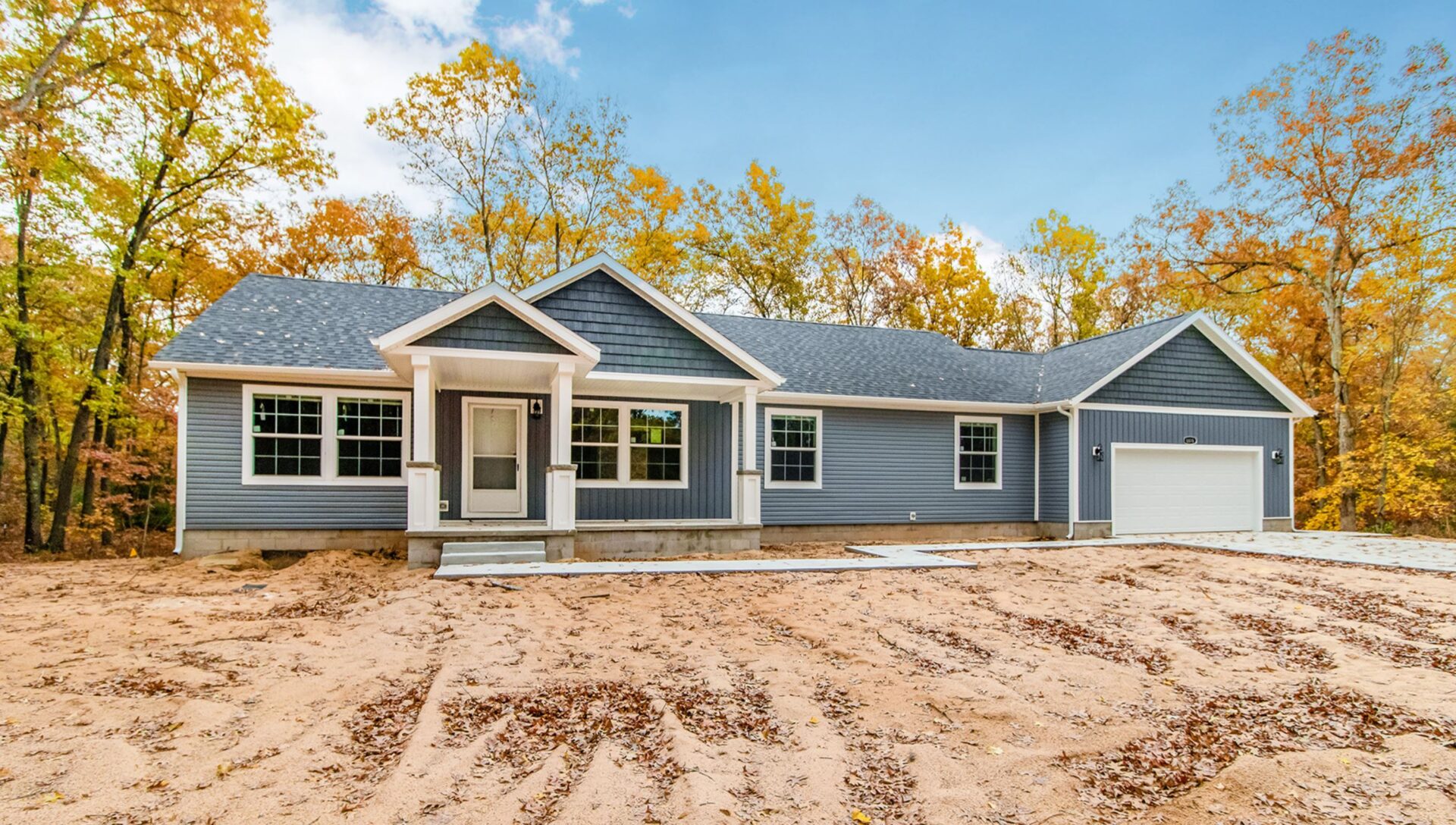
Atlanta’s housing market has become one of the most competitive in the Southeast. Prices have climbed steadily, inventory has tightened, and many buyers are finding it harder to secure homes close to work, schools, and the neighborhoods they actually want to live in. Over the past decade, metro Atlanta has lost a significant number of affordable housing units. As a result, families are often pushed farther from the city core, adding commute time and daily stress that most people did not factor into their home search.
That pressure has forced builders and developers to rethink how housing gets delivered. Modular construction is emerging as one of the most practical responses to the affordability challenge. It is not a shortcut and it is not a compromise. It is simply a more controlled and efficient way to build.
Why Modular Homes Make Practical Sense in Atlanta
Modular homes are built in controlled factory environments before being transported and assembled on permanent foundations. Because much of the construction happens indoors, builders avoid many of the delays and cost swings that affect traditional site built homes. Weather interruptions are minimized. Material waste is reduced. Labor scheduling is more predictable.
For buyers, this translates into stability. Timelines tend to be more reliable. Cost overruns are less common. When you are already managing financing approvals, rate considerations, and life transitions, predictability becomes extremely valuable. Modular construction offers that layer of control at a time when many aspects of the housing market feel uncertain.
What Buyers Often Get Wrong About Modular Construction
One of the biggest misconceptions is that modular homes are somehow inferior or treated differently in the market. Modern modular homes are built to the same state and local building codes as traditional homes. They are placed on permanent foundations and are considered real property. That means they qualify for conventional financing and appraise similarly to comparable site built homes.
The key difference is the construction method, not the end result. Buyers still need to evaluate location, floor plan, materials, and long term suitability. Modular construction does not remove the need for smart decision making. It simply creates a more efficient path to achieving new construction without absorbing as much financial unpredictability.
Where This Fits Into Atlanta’s Housing Reality
Atlanta’s housing shortage continues to affect middle income buyers the most. Teachers, nurses, first responders, and young professionals are finding it increasingly difficult to enter the new construction market inside the Perimeter. Modular housing provides an option that balances quality and attainability, especially on smaller infill lots where traditional builds can become cost prohibitive.
At Place Properties, we see modular construction as part of a larger solution. Through HomePlace Solutions, the focus is not just on building faster. It is on delivering homes that meet code, qualify for traditional financing, and support long term equity growth. That matters because buying a home is not just about securing shelter. It is about building stability and financial progress over time.
For buyers exploring their options in Atlanta, modular construction deserves serious consideration. The smartest approach is to compare total ownership cost, long term value, and timeline reliability instead of focusing only on initial price. When evaluated thoughtfully, modular housing can provide a balanced path into a competitive market without sacrificing long term confidence.