How to Know If a Lot in Atlanta Is Right for a Modular Home
Not every lot in Atlanta works equally well for modular construction. Knowing what to look for before you commit to a site saves time, money, and surprises.
share
Date Published
5.15.26
Illustration
The right lot makes everything that follows easier. The wrong one makes everything harder
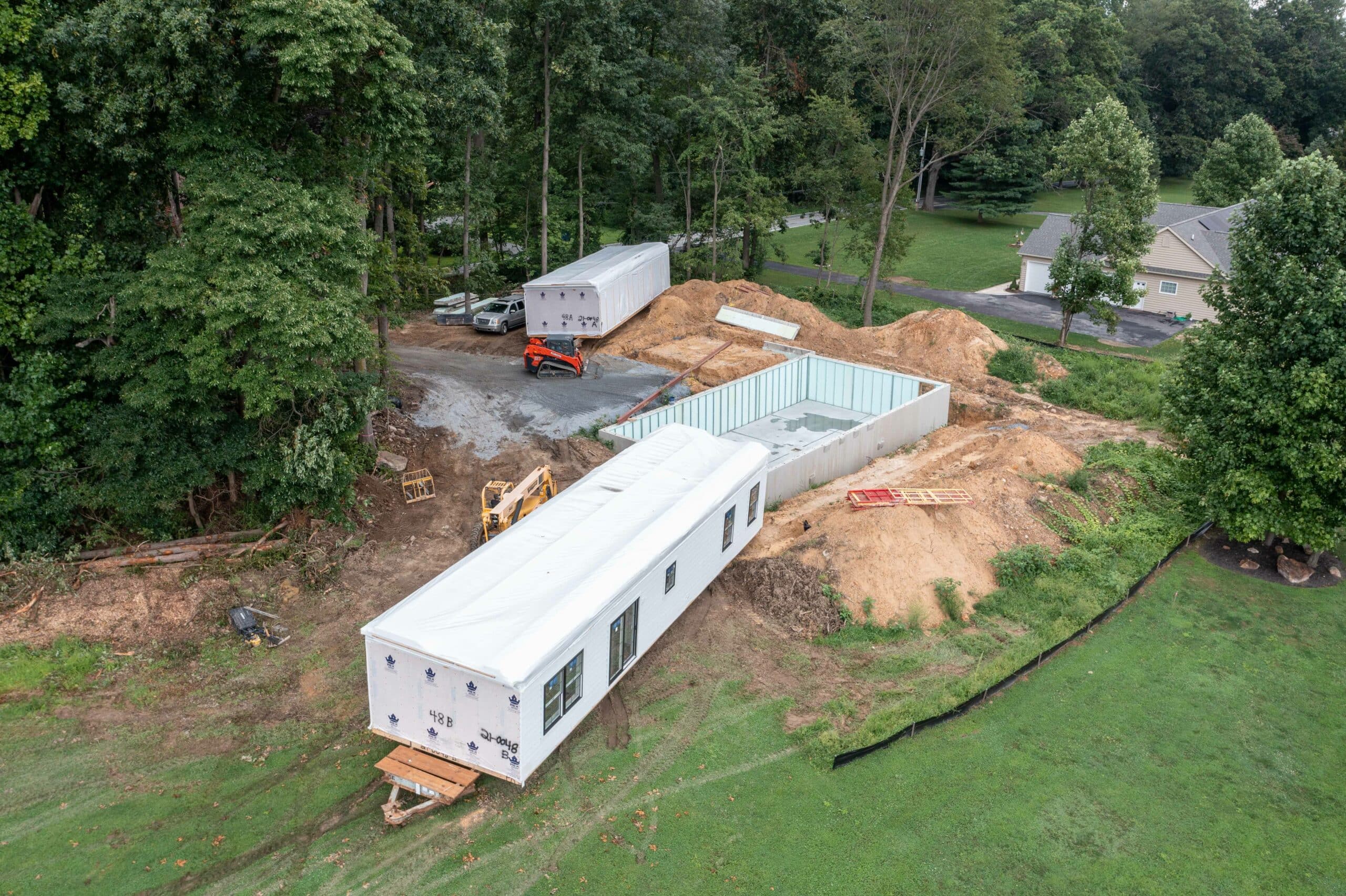
Choosing the right lot is one of the most important decisions in a modular home project. The home itself can be designed and built with a high degree of precision and predictability. The lot is the variable, and it is where most complications in modular builds actually originate.
Zoning and Land Use
The first thing to confirm is whether the lot is zoned for the type of structure you intend to build. In Atlanta, zoning classifications vary significantly by neighborhood, and some areas have additional overlay districts or historic designations that impose restrictions on new construction. Modular homes are classified as site-built homes once permanently installed, but local zoning still governs what can be placed on a given parcel. Confirming this early prevents situations where a buyer has fallen in love with a lot that cannot accommodate the project.
Lot Dimensions and Access
Modular construction requires the ability to deliver large sections to the site and use crane equipment to set them on the foundation. Lots with extremely narrow street frontage, low-hanging utilities, or overhead obstructions can complicate or in some cases prevent delivery. Access should be evaluated from the street all the way to the building footprint. This is a step many buyers overlook until it becomes a problem.
Utilities and Site Readiness
A lot that is ready for construction has confirmed access to water, sewer or septic, electrical service, and gas if required. In Atlanta's intown neighborhoods, most lots connect to municipal systems, but infill lots in transitional areas sometimes have gaps that require additional work before construction can begin. Understanding what is and is not in place before you purchase affects both the project timeline and the overall budget.
Soil and Grading
The foundation is what everything else rests on, literally. Sites with significant slope, fill soil, or poor drainage may require additional foundation work that adds cost and time to the project. A basic soil evaluation and site survey before purchasing gives you a much clearer picture of what the foundation phase will actually involve.
At Place Properties we evaluate lots alongside clients before they commit to a site, because the right lot makes every other part of the process easier. Getting this step right is where a well-executed modular project begins.