Modular vs. Manufactured: Why the Atlanta Buyer Needs to Know the Difference
If you’ve been house hunting in Atlanta this month, you know the feeling. You’re looking for something that won’t break the bank, but you also want a home that feels like a real investment, growing in value while you’re busy living your life. Lately, the word "pre-fab" has been popping up a lot. But in 2026, there is a massive fork in the road that every buyer needs to understand before they sign a contract: the difference between modular and manufactured housing. At first glance, they might look similar, but under the hood, they couldn't be more different.
share
Date Published
1/30/2026
Illustration
Affordability Supply Equity Foundations Financing
It’s All About the Code
The confusion usually starts because both types of homes are built in a factory. But that is where the similarities end.
Manufactured homes (what many still call mobile homes) are built to a federal standard called the HUD code. They are technically "chassis-built," meaning they sit on a permanent steel frame. In Georgia, these are often titled like vehicles rather than real estate, and unless you go through a rigorous "de-titling" process, they can actually depreciate over time just like a car.
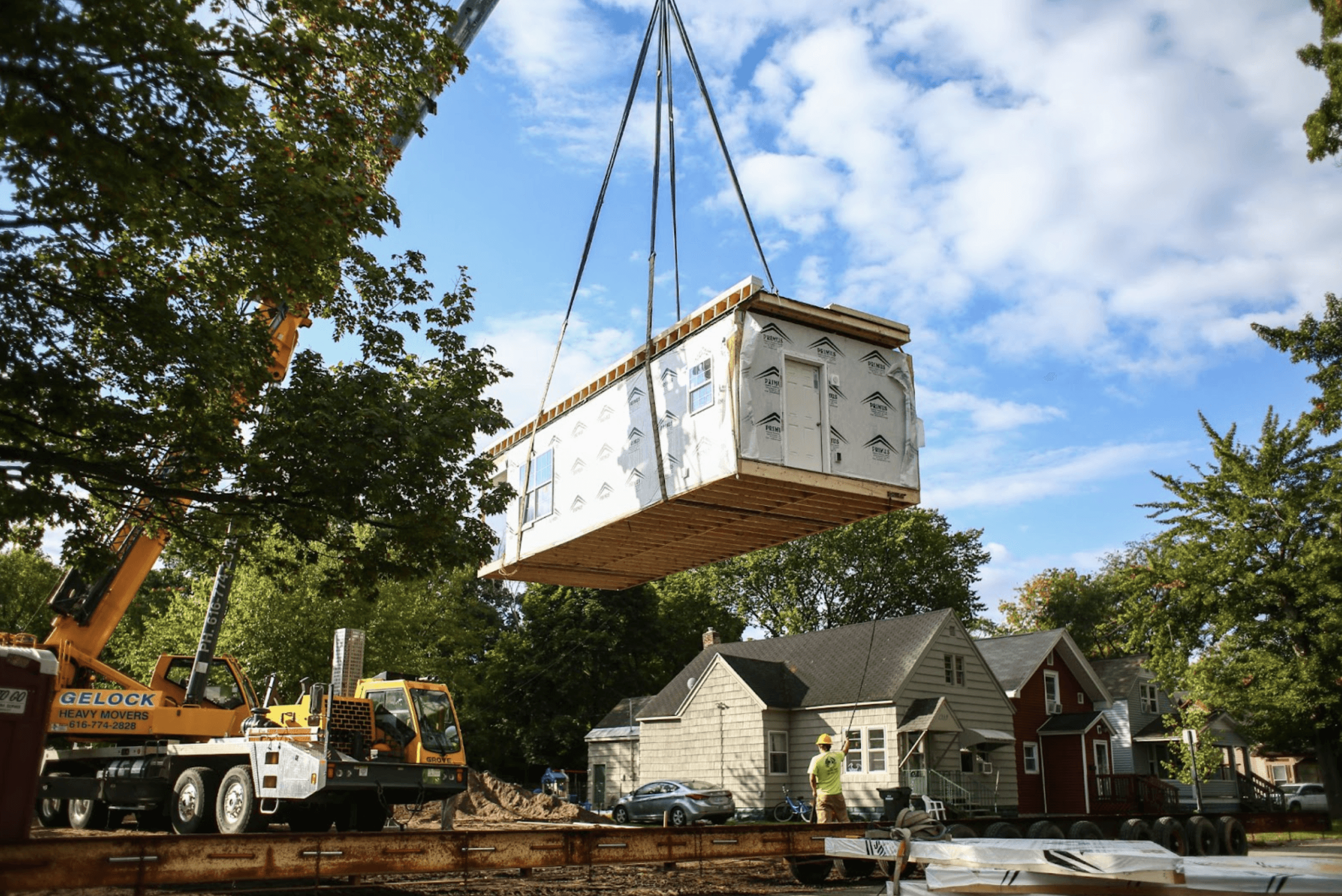
Modular homes, like the ones we build at HomePlace Solutions, are different. They are built to the exact same Georgia State Minimum Standard Building Codes as a traditional "stick-built" house. They are transported in sections, placed on a permanent foundation (like a crawlspace or slab), and the moment they are set, they are treated as real property.
Our Take: The "Equity Engine"
At Place Properties, we’ve been in this business for over 35 years, and our take is simple: Your home should be an asset, not a liability.
We chose the modular path because we believe the "missing middle" of our teachers, nurses, and first responders deserve a home that builds equity. Because a modular home meets local building codes, it appraises just like a traditional house. In the 2026 Atlanta market, where home values are projected to grow by 2–3% this year, a modular home allows you to capture that wealth-building "engine" without the $400k+ price tag of a traditional build.
The "Hidden" Benefits: Financing and Insurance
One thing people often overlook is how the bank sees your home. Since modular homes are permanent real estate, they qualify for standard FHA, VA, and conventional 30-year mortgages.
Manufactured homes, on the other hand, often require "chattel loans," which usually come with higher interest rates and shorter terms. The same goes for insurance. Carriers in 2026 are much more comfortable covering a modular home built to modern state codes, often leading to significantly lower monthly premiums for you.
Choosing the Right "Place"
In a city as vibrant and fast-moving as Atlanta, you shouldn't have to settle for a home that doesn't work for your future. Modular housing isn't just a "cheaper way to build"; it's a smarter way to own. It offers the speed and efficiency of a factory with the long-term stability and value of a traditional home.
Not sure which path is right for your budget? We’d love to help you run the numbers. Click the "Get In Touch" button below to see how a HomePlace modular build stacks up against a traditional resale in your favorite Atlanta neighborhood.