What Buyers Should Know About Financing a Modular Home in Georgia
Financing is one of the most common questions buyers bring to conversations about modular homes. The process is more straightforward than most people expect, but understanding how it works makes the experience significantly smoother.
share
Date Published
5.27.26
Illustration
The financing process for a modular home is more familiar than most buyers expect. Understanding it early makes everything else easier.
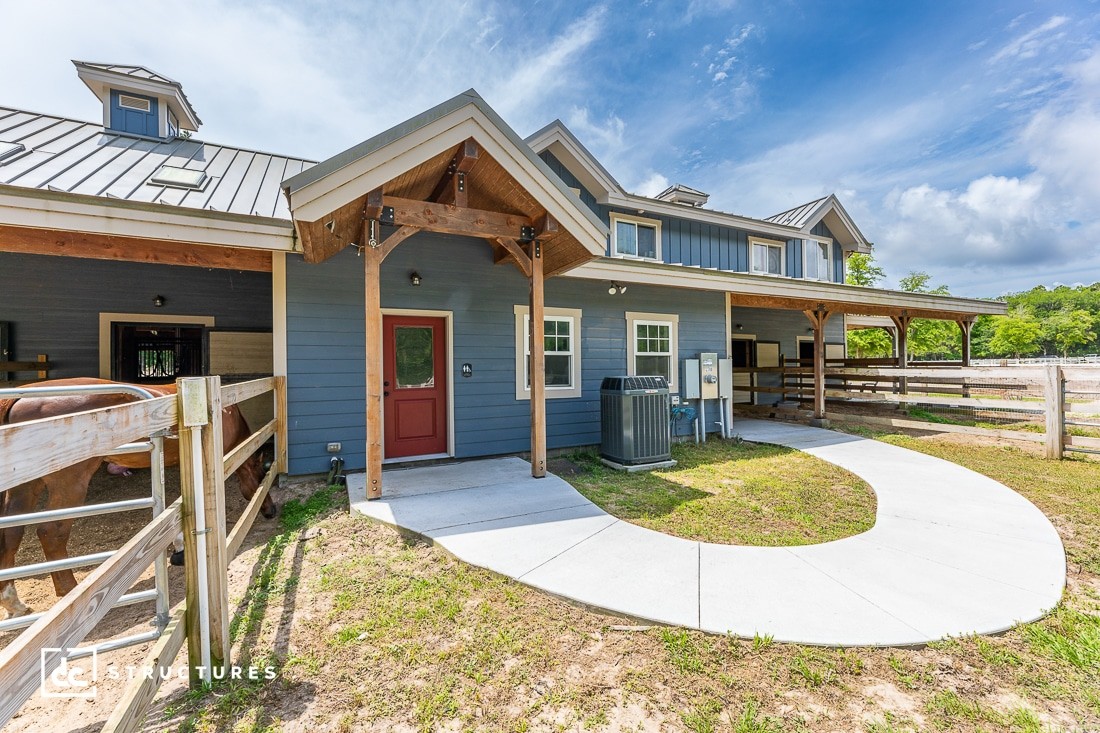
One of the first things buyers want to know when they start exploring modular construction is whether they can finance it the same way they would a traditional home. The short answer is yes, but the details matter, and understanding them before you start the process puts you in a much stronger position.
How Lenders Classify Modular Homes
Modular homes are built in sections off-site and assembled on a permanent foundation. Once installed, they are legally classified the same as site-built homes in Georgia, which means they can be financed through conventional loan programs, FHA loans, and VA loans, depending on the buyer's qualifications and the specific property.
This classification is what separates modular homes from manufactured homes, which are treated differently by lenders and fall under a separate financing category. A modular home built to local building codes and permanently affixed to land you own is evaluated by lenders as real property, not personal property, and that distinction opens up the full range of standard mortgage products.
The Construction-to-Permanent Loan
Because modular homes are built off-site and delivered in phases, the financing structure during the build period is different from a standard purchase mortgage. Most buyers use a construction-to-permanent loan, which covers the cost of building and site preparation during the construction phase and then converts to a standard mortgage once the home is complete and the certificate of occupancy is issued.
This type of loan requires a draw schedule coordinated between the lender, the builder, and the site contractor. Funds are released in stages as construction milestones are met rather than in a single lump sum. Keeping the project on schedule is important here because delays can affect how and when draws are released.
What Lenders Look at Closely
Beyond the standard qualification criteria of income, credit, and debt, lenders evaluating a modular construction loan will look closely at the builder's credentials and track record, the appraised value of the completed home based on comparable sales, and the readiness of the site. A lot that is not fully prepared, with utilities unconfirmed or foundation work not yet permitted, can slow down loan approval.
At Place Properties, we work with buyers through this process so that the financing side and the construction side are moving in alignment rather than creating delays for each other. Getting clear on the loan structure early makes every other part of the project more predictable.