What Buyers Should Know About the Difference Between Modular and Manufactured Homes
The two terms are often used interchangeably, but they describe fundamentally different products with different financing, construction standards, and long-term value profiles. Understanding the distinction matters before you make any decisions.
share
Date Published
6.12.26
Illustration
Two different products. One term people use for both. The difference matters more than most buyers realize.
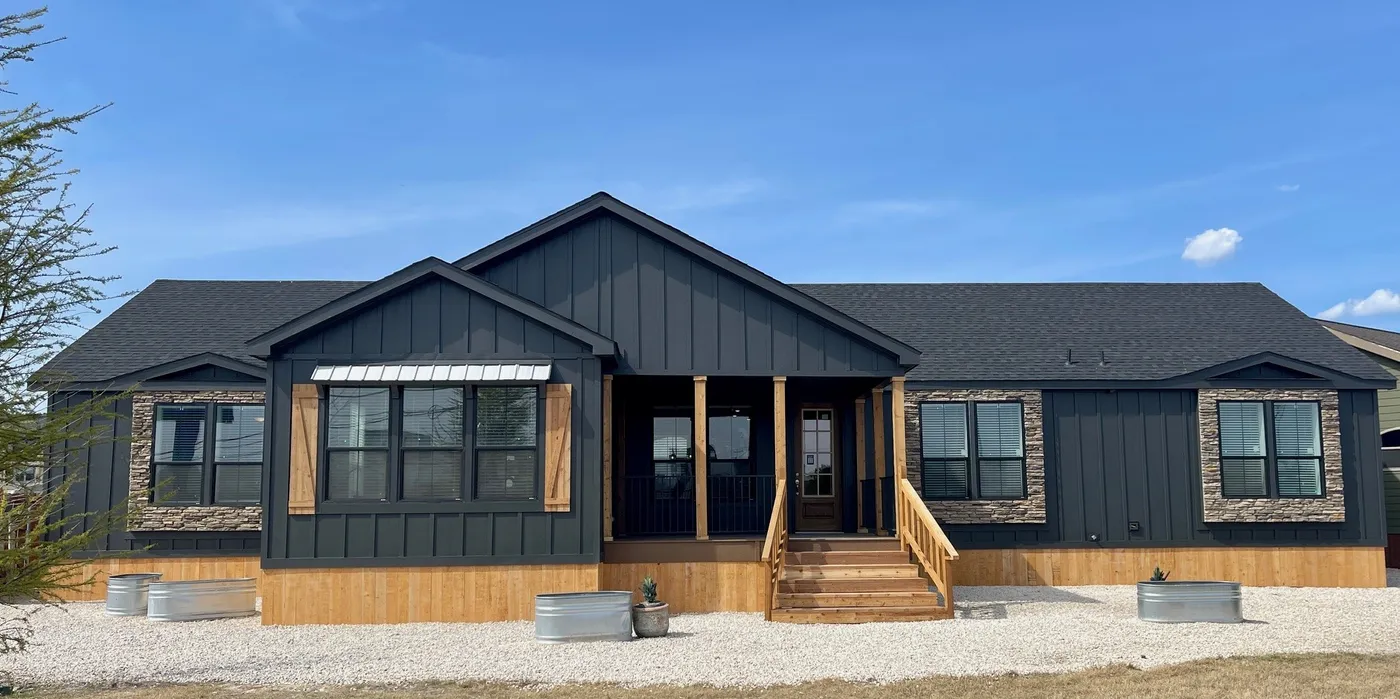
The confusion between modular and manufactured homes is one of the most common misconceptions buyers encounter when they start exploring alternatives to traditional site-built construction. The terms sound similar and both involve homes built off-site, but the differences between them are significant and affect everything from how the home is financed to how it performs over time.
How They Are Built
Modular homes are constructed in sections inside a factory and then transported to the building site, where they are assembled on a permanent foundation. The build process follows the same local and state building codes that govern site-built construction. Once a modular home is installed and completed, it is legally classified as real property, the same as any traditionally built home.
Manufactured homes, formerly called mobile homes, are also built in factories but are constructed to a federal standard set by the Department of Housing and Urban Development rather than local building codes. They are typically built on a steel chassis and may or may not be placed on a permanent foundation. They are classified as personal property in many cases, similar to a vehicle, unless specific steps are taken to convert them to real property.
How Financing Works Differently
This classification difference has direct consequences for financing. Modular homes can be financed through conventional mortgage products, FHA loans, and VA loans, the same programs available for site-built homes. Manufactured homes face more restrictions in financing and typically require specialized loan programs that come with different terms and conditions.
For buyers who are planning to build equity and access the full range of refinancing options over time, this distinction is one of the most practically important differences between the two.
How They Perform Over Time
Modular homes, because they are built to local building codes and classified as real property, tend to appreciate in line with comparable site-built homes in the same market. Manufactured homes have historically depreciated more like vehicles than traditional real estate, though permanently affixed manufactured homes with real property status can perform differently depending on the market and circumstances.
At Place Properties, we build modular homes, and part of our role is making sure buyers understand exactly what they are purchasing and why the classification, construction standard, and financing structure matter for their long-term investment.