What Buyers Should Know About Utility Connections for Modular Homes
Planning utility connections early helps ensure a smoother installation process and prevents delays as construction progresses.
share
Date Published
4.7.26
Illustration
home building septic system water access electrical service prefab homes
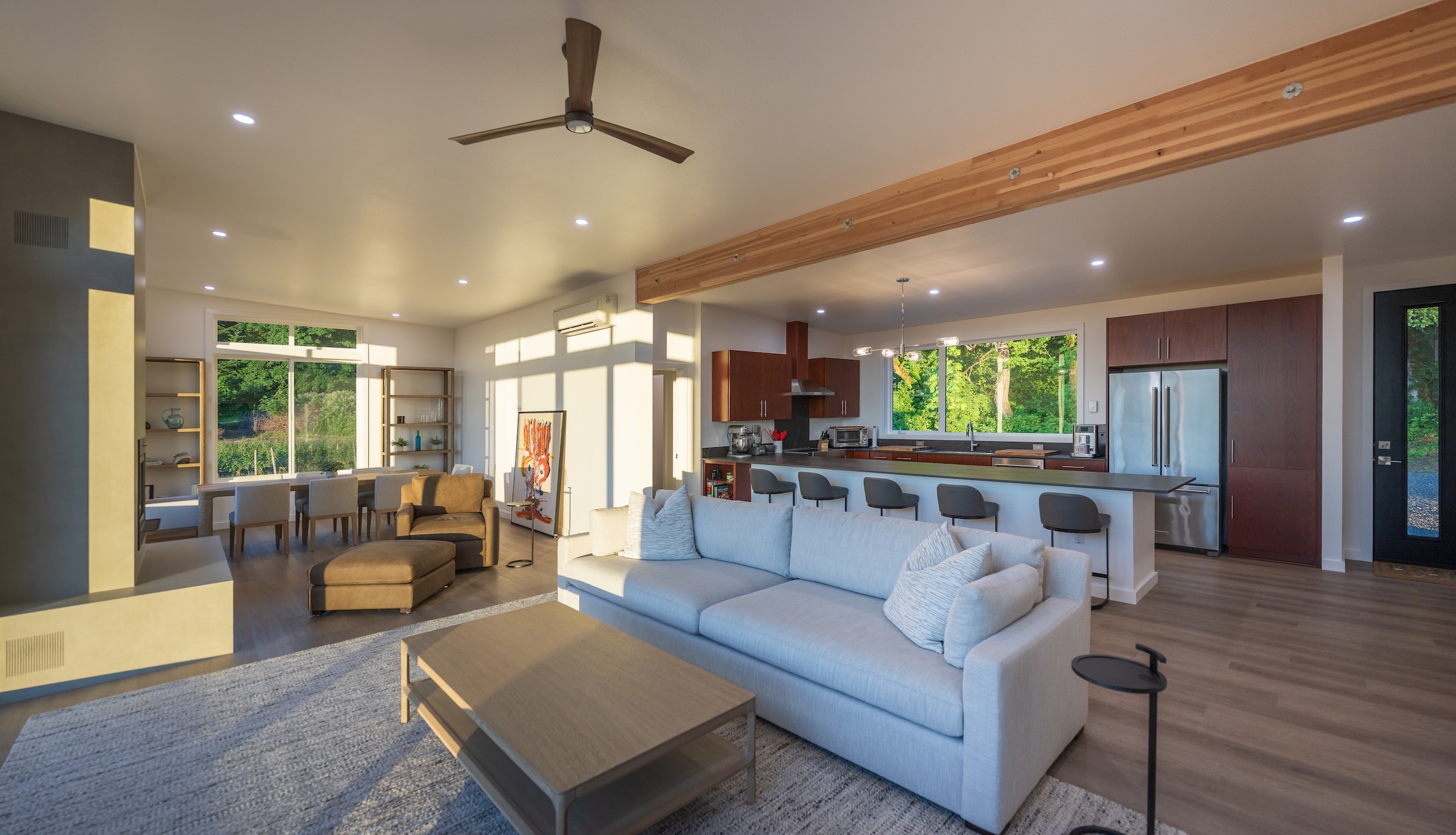
When planning a modular home, attention is often focused on layout and design choices. However, utility connections play a critical role in determining how efficiently the home can be completed. Because modular homes are built off-site and assembled on location, coordination between site preparation and installation timing is essential. Understanding how utilities factor into that process helps buyers avoid unexpected delays.
Utility planning begins before the home arrives on-site. Water access, septic planning, electrical connections, and site grading must all be prepared in advance. When these elements are addressed early, installation can proceed more smoothly and transition more quickly toward occupancy.
Water and Septic Planning
Water access is one of the first considerations when evaluating land for a modular home. Some properties connect to municipal systems, while others require private wells depending on location. Septic requirements are influenced by soil conditions, property size, and local regulations.
Buyers often benefit from confirming these details early so any necessary testing or permitting can begin before construction progresses. Addressing these requirements in advance helps reduce the likelihood of scheduling interruptions later.
Electrical Service Requirements
Electrical planning involves more than simply connecting power once the home is delivered. Utility providers typically require coordination regarding service capacity, placement of connection points, and inspection timing. Homes with additional features such as workshops or electric vehicle charging may require expanded capacity.
Discussing electrical needs early helps ensure infrastructure aligns with how the home will be used. Planning for future usage can prevent the need for upgrades later.
Planning Ahead for Efficiency
Because modular construction combines off-site building with on-site preparation, communication between professionals is particularly important. Clear scheduling ensures utility installation aligns with delivery timelines.
Preparing these components early helps create a more predictable path from construction to move-in. Thoughtful planning supports both efficiency and peace of mind throughout the process.