Why Modular Construction Is Finally Mainstream in 2026
Modular construction is moving from alternative to standard practice. In Atlanta, it is becoming one of the most practical ways to address housing supply and long term affordability challenges.
share
Date Published
2/13/2026
Illustration
Modular Infill Affordability Workforce Equity Financing Appraisal Atlanta Construction Homeownership
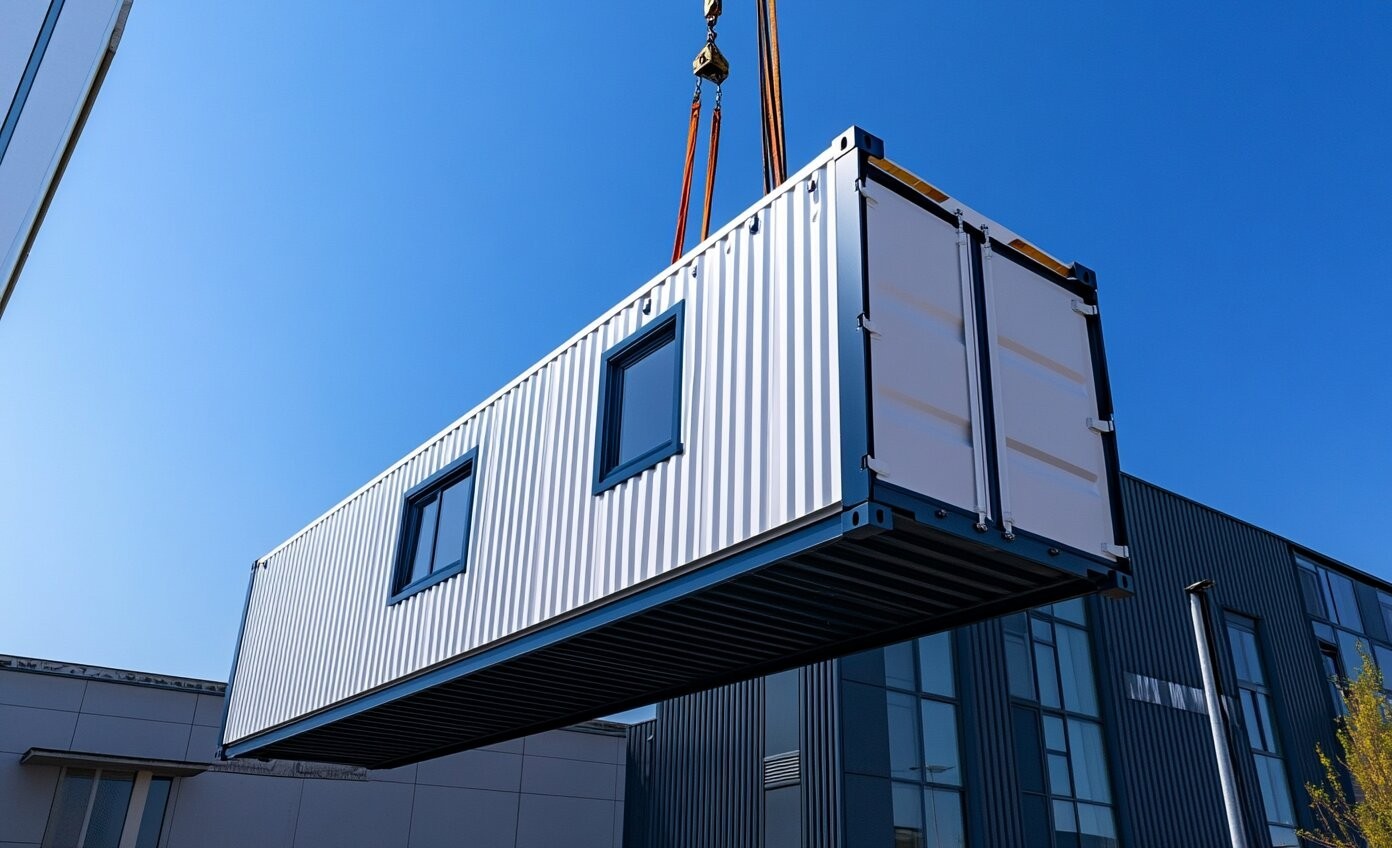
If you have been watching the Atlanta housing market, you have likely noticed a shift in how new homes are being built and delivered. Modular construction is no longer treated as experimental or niche. In 2026, it is becoming part of the real solution to housing shortages, rising construction costs, and the need for faster housing delivery in growing cities.
Builders need predictable timelines. Buyers need predictable costs. Cities need housing options that working professionals can realistically afford. Modular construction is starting to meet all three needs at the same time. That is why it is moving into the mainstream conversation instead of sitting on the edge of the industry.
Why the Industry Is Moving Toward Modular
Traditional construction has become harder to control. Weather delays, labor shortages, and material cost swings have made both timelines and final costs less predictable than they were even ten years ago. Modular construction shifts most of the building process into a controlled factory setting. That allows builders to maintain consistent quality, reduce material waste, and deliver homes on more reliable schedules.
For buyers, this matters more than people realize. Predictability reduces financial stress during the build process. It also allows buyers to plan moves, financing timelines, and life transitions with more confidence. In a market where interest rates and cost of living are constant concerns, that level of certainty has real value.
Why Buyers Are More Open to Modular Homes
Modern modular homes are not treated differently from traditional homes in the ways that matter most. They are built to the same state and local building codes. They are placed on permanent foundations. They are appraised and financed the same way as traditional new construction homes.
Buyers are also realizing that modular construction does not limit design. Many modular homes now include open layouts, modern finishes, and energy efficient systems that match what buyers expect from new construction. The biggest difference is often cost control and build speed. Buyers can often move into a new home faster without sacrificing long term property value.
Why This Matters in Atlanta
Atlanta continues to deal with a major housing supply shortage, especially for the missing middle. These are teachers, nurses, first responders, and young professionals who support the city’s daily life but often cannot access traditional new construction price points.
Modular construction helps create more attainable ownership opportunities while still supporting long term equity growth. It also supports infill development in existing neighborhoods, which helps cities grow without pushing development farther and farther from job centers.
Our Take
At Place Properties, we believe modular construction is moving toward becoming a smart standard for new housing, not just an alternative option. Through HomePlace Solutions, we focus on building homes that meet local codes, qualify for traditional financing, and support long term equity building.
For many buyers, modular construction is not just about lowering upfront cost. It is about entering the housing market in a way that is stable, predictable, and positioned for long term ownership success. In a market like Atlanta, that difference can shape a buyer’s financial future for years.